
What is tankless flushing and descaling?
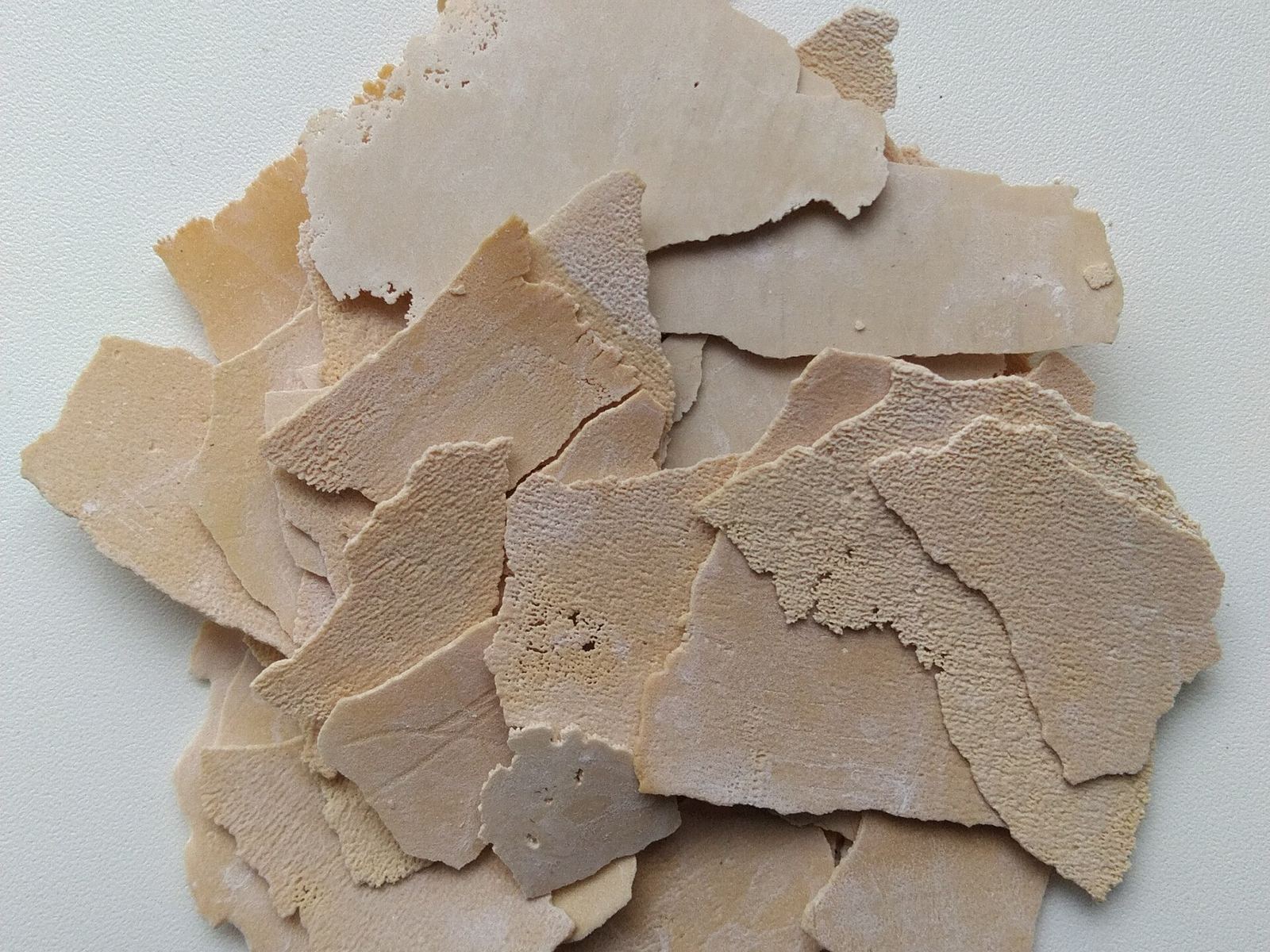
A tankless flushing and descaling visit is a cleaning of the inside of your unit. The provider connects a small pump to the unit's service valves, circulates a descaling solution through the heat exchanger and the waterways, and carries the dissolved mineral scale out with it. The unit is then rinsed, the inlet filter is cleaned, and the water is tested at the taps. Nothing is taken apart that does not need to be, and no part is replaced unless the flush finds a fault that a flush cannot fix.
Think of it as the difference between washing a kettle and replacing it. A kettle furred with scale still boils, but slowly and noisily, and it takes more energy to do it. A tankless unit does the same: the burner fires, but the heat cannot get through the scale into the water, so the water leaves the unit cooler and slower than it should. Flushing restores the clean surface the heat needs. It is maintenance, not a repair — and that distinction is why it is planned, not rushed, and why it is cheaper than the breakdown it prevents.
If your unit has stopped heating entirely, a flush may still be the answer, but it is not the first thing to assume. Start by reading what the tankless water heater experts in El Dorado Hills say about no hot water repair — a failed igniter or a dead sensor looks the same from the shower as scale does, and a flush cannot fix either one. This page is for the unit that still works, but worse than it used to: cooler, slower, noisier, and harder to live with.
How does a flush actually work?
A flush is a simple idea carried out carefully. The solution does the dissolving, the pump does the moving, and the provider does the watching. Each part of the method exists because scale does not come off on its own, and because a half-done flush can leave loosened scale sitting in the unit where it causes the next fault. Here is what happens inside the visit.
Isolation valves and the flush loop
Most tankless units are fitted with isolation valves — two service valves on the hot and cold connections, made for exactly this job. The provider closes them, connects hoses from a small pump, and forms a closed loop: solution out of a bucket, through the unit, and back into the bucket. Because the loop is closed, the solution keeps passing over the same scaled surfaces again and again, instead of washing straight down the drain. If your unit was fitted without isolation valves, the provider will say so on the call and explain what that means for the visit — it does not rule a flush out, but it changes how the work is done.
The descaling solution and the circulation
The solution is made for tankless heat exchangers, and it is circulated, not poured in and left. Circulation matters because scale dissolves slowly: the moving solution carries dissolved mineral away from the surface, so fresh solution keeps meeting the scale that is left. The provider watches the flow and the colour of the returning solution, and keeps the loop running until the flow steadies and the solution runs clear. How long that takes depends on how much scale is inside — a unit flushed every year clears far faster than one that has never been touched.
Rinse, filter, and re-test
Once the scale is out, the unit is rinsed through with clean water until no trace of the solution remains, and the inlet filter — the small screen that catches grit before it reaches the heat exchanger — is taken out, cleaned, and put back. Then the unit is started and tested: hot water at every tap, the right temperature, steady flow, and no error code. The test is the point of the visit. A flush that is not tested is a flush you have to take on trust, and you should not have to.
8 signs you need a flush
Scale rarely announces itself all at once. It creeps in, and the signs below are how it shows up in daily use. One sign on its own may have another cause, but two or three together — especially in a unit that has never been flushed — point firmly at scale. Read the list with your own showers in mind.
- Lukewarm water that used to be hot. Showers that once ran properly hot now settle at lukewarm, even with the temperature control turned up. The burner is still firing, but the scale between the burner and the water is blocking the heat, so the water leaves the unit cooler than the setting asks for.
- Hot water that takes longer to arrive. You wait longer at the tap than you used to, and the first seconds run cold for longer. Scale narrows the passages the water flows through, so the unit takes longer to reach temperature and the hot water is slower to reach you.
- Flow that has dropped at the hot tap. The hot tap runs noticeably weaker than the cold tap, or the shower feels thinner than it did. Scale does not only block heat — it blocks water. A heat exchanger narrowed by mineral buildup lets less water through, and the drop shows up first on the hot side.
- A unit that has started to rumble or whistle. New sounds from the unit — rumbling, popping, or a high whistling as the water passes through — often mean scale is forcing water through narrowed passages or boiling in pockets against a coated surface. A quiet unit that has become a noisy one is worth a flush before anything else is assumed.
- Error codes that appear when the unit works hard. Codes that show up on a busy morning, when two taps run at once, or when the unit is asked for its hottest water, often point to overheating or restricted flow. Scale makes the unit run hotter than it should, and the unit's own safety systems report it. Write the code down — it tells the provider where the scale is biting.
- The unit shutting itself off mid-shower. Hot water that cuts out in the middle of a shower, then comes back after a pause, is often the unit protecting itself from overheating. Scale traps heat in the exchanger, the temperature climbs past the limit, and the unit shuts down until it cools. It is doing its job — but it is doing it because the scale is there.
- More gas for less hot water. The burner runs longer and harder, yet the showers are cooler than they were. Scale is an insulator: the heat the burner makes cannot reach the water, so the unit burns more to deliver less. You will not see a number on this one — you will feel it in the shower and in the way the unit never seems to rest.
- A unit that has never been flushed. If you cannot remember a flush, or you know there has never been one, the scale has had the whole life of the unit to build. Even a unit that still heats well is carrying a layer of it by now. This sign needs no symptom at all: no flush in the unit's history is reason enough to book one.
A flush pushes solution through the unit under circulation. If the heat exchanger is cracked, a connection is leaking, or the unit is damaged inside, a flush will not repair it and can make the leak worse. Sort the leak first — turn off the power, close the water shut-off valves if you can reach them safely, and call for emergency tankless repair. A flush comes after the unit is sound again, not before.
Why does scale build up?
Scale is not a fault in the unit, and it is not something you did wrong. It is what happens when ordinary water meets very hot metal, year after year. Understanding where it comes from helps you see why a flush is routine care for a tankless unit, not a repair for a broken one — and why skipping it has a cost that only shows up later.
Minerals in the water
Water carries dissolved minerals with it wherever it flows, and those minerals are invisible until heat forces them out. A tankless unit heats water fast and hot, so the minerals drop out of the water and settle on the surfaces they touch. The deposit is hard and chalky, it clings to metal, and it does not wash away with normal use. Every litre of water the unit heats leaves a little behind, and the layer grows a fraction at a time.
Heat makes the problem worse
Scale forms fastest where the water is hottest, and nowhere in the unit is hotter than the heat exchanger. That is the worst possible place for it: the heat exchanger is the one part that must pass heat cleanly into the water, and scale coats it like insulation. The hotter the unit runs — long showers, high temperature settings, back-to-back use — the faster the layer thickens on the very surface that can least afford it.
Flushes skipped for years
A flush done regularly clears scale while it is still thin and soft. A flush skipped for years faces a layer that has hardened and thickened, and that takes longer to dissolve and may never come off completely. This is the quiet way a unit is damaged: not by one bad day, but by years of small deposits that nobody removed. The longer the gap between flushes, the more the next flush has to undo.
High demand, more scale
The more water a unit heats, the more mineral it leaves behind. A large household — several bathrooms, laundry running, showers morning and night — puts far more water through the heat exchanger than a small one, so the scale builds faster. The same unit in a busy house needs flushing sooner than the same unit in a quiet one, even though neither household has done anything wrong. Demand is not a fault; it is simply the rate at which the work of flushing comes due.
A blocked inlet filter adds to the problem
The inlet filter sits ahead of the heat exchanger and catches grit and debris before they reach it. When the filter itself clogs, the flow into the unit drops, the water inside heats unevenly, and the conditions for scale get worse. A clogged filter and a scaled exchanger often arrive together, which is why a flush visit always includes cleaning the filter. Clearing one without the other leaves half the problem in place.
What to check before you call about a flush — and what to leave alone
Before you call about a flush, a few checks help the provider judge how much scale is likely inside and whether a flush is the right first step. Do only the checks that are safe and outside the unit. Never open the casing, never touch gas fittings, and never try to descale the unit yourself with chemicals you happen to have at home.
- Find out when it was last flushed. Check any paperwork from the install or from earlier visits, or ask the previous owner if you bought the house recently. "Never" and "I don't know" are both useful answers — they tell the provider the scale has had a long time to build.
- Note the code on the display, if one is showing. Write down the exact number or letters, and whether it appears on start-up, mid-shower, or when a second tap opens. A code that points to overheating or restricted flow is exactly the evidence a flush is due.
- Compare the hot tap with the cold tap. Run the cold tap and then the hot tap at the same sink. If the cold runs strong and the hot runs weak, the restriction is on the hot side — in the unit — rather than in the water supply to the house. That comparison takes a minute and tells the provider a lot.
- Note when the symptoms started. Was the water cooler this week, or has it faded gradually over months? A slow fade over a long time is the classic scale pattern. A sudden change overnight points to something else, and the provider needs to know which one it is.
- Listen for when the noise happens. Does the unit rumble only when it fires up, or all through the shower? Does it whistle when two taps run at once? When the noise happens matters as much as what it sounds like, and it helps separate scale from a fan or venting fault.
Leave the inside of the unit alone: no opening the casing, no touching gas connections, no flushing with a household chemical, and no flush at all on a unit that is leaking or visibly damaged. Household chemicals are not made for heat exchangers, and the wrong one can damage the metal it is meant to clean. The checks above are for the call. The work inside the unit is for the provider.
After a flush, put the date on a strip of tape on the side of the unit, next to the label. Next year, there is no guessing and no paperwork to find — the date is right there, and the next flush is due when the calendar says so. A photo of the label alongside it gives the provider the brand and model in the same glance.
Flush day, step by step
A flush is a planned visit, not a rescue, and knowing the order of the work takes any worry out of it. The hot water will be off while the unit is being cleaned, and the provider should tell you when that starts and when it ends. Here is how the visit usually runs.
- 01
Look and listen first
The provider checks the symptoms you described, the error code if one is showing, and when the unit was last flushed. The label is read for brand and model, and the inlet filter is checked. If the signs point to something a flush cannot fix, that is said now — before any hoses are connected.
- 02
Isolate the unit
Gas, water and power to the unit are shut off, the isolation valves are closed, and the unit is drained of standing water. The area around the unit is protected, and the household is told when the hot water will be off and for how long.
- 03
Connect the loop and circulate
Hoses run from a small pump to the service valves, forming a closed loop through the heat exchanger. The descaling solution circulates through the unit, and the provider watches the flow and the returning solution until the flow steadies and the solution runs clear.
- 04
Rinse and clean the filter
The unit is rinsed through with clean water until no trace of the solution remains. The inlet filter is taken out, cleaned of grit and debris, and put back. Any loose scale carried out by the flush is checked against what the symptoms suggested.
- 05
Start, test, and record
The unit is filled, started, and tested at every tap — hot water arriving quickly, reaching temperature, holding steady, and no error code under load. The flush date is noted so the next one is not a guess, and anything the flush revealed is explained before the provider leaves.
Clear the area around the unit before the visit, and make sure the provider can reach the water shut-offs, the gas meter, and the electrical panel. That is all the preparation a flush needs from you. The provider brings the pump, the hoses, and the solution — and the hot water is back on the same visit.
What affects the cost of a tankless flush?
There is no single price for a tankless flush, because no two units carry the same amount of scale. The factors in the table below are what a provider weighs when working out the work involved. They are the right questions to ask on the call, so you understand what is driving the scope of the job — not a price list, and not a quote.
| Factor | What it changes |
|---|---|
| How much scale is inside | A unit flushed every year clears quickly. A unit that has never been flushed holds a thick, hardened layer that needs a longer circulation to dissolve. |
| Whether isolation valves are fitted | Units with service valves connect straight to the flush loop. Units without them need another way in, which adds time to the visit. |
| Inlet filter condition | A filter clogged with grit takes cleaning or replacement, and a filter that has never been touched can hide debris that slows the flush down. |
| Access to the unit | A unit in an open garage is quick to reach. One in a tight closet, a roof space, or behind stored boxes takes longer to work on safely. |
| Extra faults found during the flush | A flush sometimes reveals a worn sensor, a failing valve, or a heat exchanger damaged beyond cleaning. Those are separate jobs, and the provider should explain them before doing them. |
| Size and layout of the system | A larger unit, or a home with long pipe runs and several bathrooms to test, takes more time to circulate, rinse, and check at every tap. |
Ask the provider which of these factors apply to your unit, and whether the flush is likely to be a quick one or a long one. A flush is maintenance, and like all maintenance it is cheapest when it is done on time — the scale that costs little to remove this year is the scale that damages a heat exchanger if it is left for another.
When is a flush an emergency?
A flush is planned maintenance, not an emergency. It is booked in advance, done on a day you choose, and finished in a single visit. The unit keeps working while you wait for the appointment — cooler and slower than it should, but working. That is the whole point of flushing on time: it keeps a maintenance job from becoming an urgent one.
But a flush visit can turn urgent, and it helps to know the line. If the unit is leaking, if water is pooling near electrics, if you smell gas, or if the house has no hot water at all, do not wait for a flush appointment. If you smell gas, leave the building and call the gas company or the emergency services from outside — do not stay inside to investigate. In any of those cases, go straight to emergency tankless repair first. The provider will make the unit safe, and the flush — if the unit still needs one — happens after that.
If the water is only cooler, slower, or noisier than it used to be, the flush can be planned. Note the symptoms, find out when the unit was last flushed, and book the visit through the Pro Tankless El Dorado homepage. Planned beats panicked: a flush done calmly, with the right solution and the time to do it properly, is a far better job than one squeezed in on the worst day the unit ever had.
Tankless flushing and descaling FAQs
How often should a tankless water heater be flushed?+
Most manufacturers recommend a flush and descaling about once a year, and more often where the water leaves heavy mineral deposits. If your unit has never been flushed, or the water is getting cooler and the flow weaker, that is the time to book one rather than waiting for a date on the calendar. The provider can tell from the symptoms and the unit's history whether a flush is due.
What is the difference between flushing and descaling?+
Flushing is the process and descaling is the result. A flush circulates water and a descaling solution through the unit to carry mineral scale out of the heat exchanger and the waterways. The two words are often used together because a proper flush includes the descaling step, and a flush without it only moves loose debris around.
Can a flush fix a tankless water heater with no hot water?+
It can, when scale is the reason the water stopped heating. A scaled heat exchanger cannot transfer heat, so the water stays cold or lukewarm even though the burner fires. But a flush cannot fix a failed igniter, a dead flow sensor, a gas problem, or a damaged heat exchanger. If the unit still will not heat after a flush, the fault lies somewhere else and needs a diagnosis.
How long does a tankless flush take?+
A straightforward flush is usually finished in a single visit, with the unit out of action while the solution circulates and the system is rinsed. The provider should tell you when the hot water will be off and when it will be back on before the work starts. A unit with very heavy scale takes longer, because the solution needs more time to work.
Can I flush my own tankless water heater?+
Some homeowners do, with a pump, hoses, and a descaling solution made for tankless units, and with the isolation valves the unit was fitted with. It is not a job to improvise: the wrong solution, the wrong connections, or a flush run on a leaking or damaged unit can make things worse. If you are unsure, or the unit has never been flushed, book a provider and watch what they do first.
Will a flush help if my tankless unit is leaking?+
No. A flush clears scale from inside the heat exchanger — it does not seal leaks, repair a cracked heat exchanger, or fix a failed connection. If your unit is leaking, turn off the power, close the water shut-off valves if you can reach them safely, and call for emergency tankless repair. The leak comes first; a flush can wait until the unit is sound again.
Related services and areas
When the house has no hot water at all, begin with no hot water repair — the fault may be scale, but it may equally be an igniter or a sensor, and the diagnosis comes first. If the flush finds a heat exchanger damaged beyond cleaning, the next conversation is tankless replacement, and if the unit is a Rinnai, our Rinnai tankless repair page covers brand-specific faults and error codes. A leaking unit is not a flush job at all — see emergency tankless repair. We help homeowners across El Dorado Hills, including Waterford, where older units that have never been flushed are the classic case for this visit, and Serrano, where larger homes put more water through their units and the scale builds faster. To learn how the referral works, see our About page, or go to Contact to see what to have ready before you call.