
What is emergency tankless repair?
Emergency tankless repair is repair for a unit that has failed right now — not a unit that is slowly getting weaker. The water is cold at every tap, or water is escaping from the unit, or the display is showing a code and the burner will not stay lit. The job starts with the same question every time: what changed today, and what is the unit doing at this minute?
That urgency changes how the call works. You do not need the part name, the model history, or a neat description. You need three facts: what the water is doing, when it started, and whether anything is leaking or smelling. A cold shower at six in the morning, a puddle under the unit after dinner, a code that appeared after the unit shut itself down — each of those is enough to start. The provider takes it from there.
Emergency repair is still repair, not a different trade. The same parts are checked, in the same order — power and fuel, water flow, ignition, sensors, scale, and leaks. The difference is the order of your day. A planned repair can wait for a convenient morning. An emergency repair is about stopping water damage, restoring hot water, and finding out whether the unit is safe to run at all. That is the work tankless water heater repair in El Dorado Hills is built around, and this page is the urgent end of it.
If the problem is not sudden — if the water is lukewarm most days, or the unit heats slowly but still heats — the slower, more detailed checks belong on our no hot water repair page. If water is escaping right now, stay on this page. Shut off power and water if you can do so safely, and call.
How does an emergency repair work?
An emergency repair works by ruling out the dangerous and the simple before anything else. The first question is always about safety: is water leaking, and is there a gas smell? If either answer is yes, the steps change. A leak means power off, water off if you can reach the valves safely, towels and a bucket, and a call. A gas smell means out of the house, no switches, no appliances, and a call to your gas company or emergency services from outside. Everything else waits until those two questions are answered.
Once the home is safe, the diagnosis follows the order the unit itself follows when it heats water. First the supplies: power to the unit, gas to a gas unit, and water flowing in. A tripped breaker, a closed gas valve, or a closed water valve can each stop a tankless unit cold, and each one takes seconds to check. That is why a technician asks about them before touching the unit, and why the safe checks below start there too.
Next comes what the unit does when a tap opens. Does it try to light? Does it light and die? Does the display flash a code, or does it stay blank? A unit that tries and fails is telling a different story from a unit that does nothing at all. The first points toward ignition, gas, or venting. The second points toward power, a sensor, or a control that never woke up. Watching that single attempt — and writing down the code, exactly as shown — narrows the search more than any guess about the unit's age.
Then the parts are tested one at a time. Igniter, flame sensor, flow sensor, gas valve, heat exchanger: each has a test, and each test gives a yes or a no. A worn igniter sparks weakly. A flame sensor that cannot see the flame shuts the gas off for safety. A flow sensor that reads low never tells the unit to heat fully. Scale inside the heat exchanger can make the unit overheat and shut down to protect itself. Testing in turn is slower than replacing the first part that looks old, but it is the only way to fix the part that actually failed today — and to say honestly whether the unit should be repaired or replaced.
Before you call, look at the display if you can do so safely and write the code down letter for letter, plus the time it appeared and whether it appears on every use. That one line is often the fastest clue the technician gets.
8 warning signs — act now
These are the signs that mean today, not next month. If you recognise one, call. If you recognise two at once, say both on the call — together they point more clearly than either one alone.
- No hot water at any tap. Every tap runs cold, or the unit will not start at all. Check power and gas first, then call now.
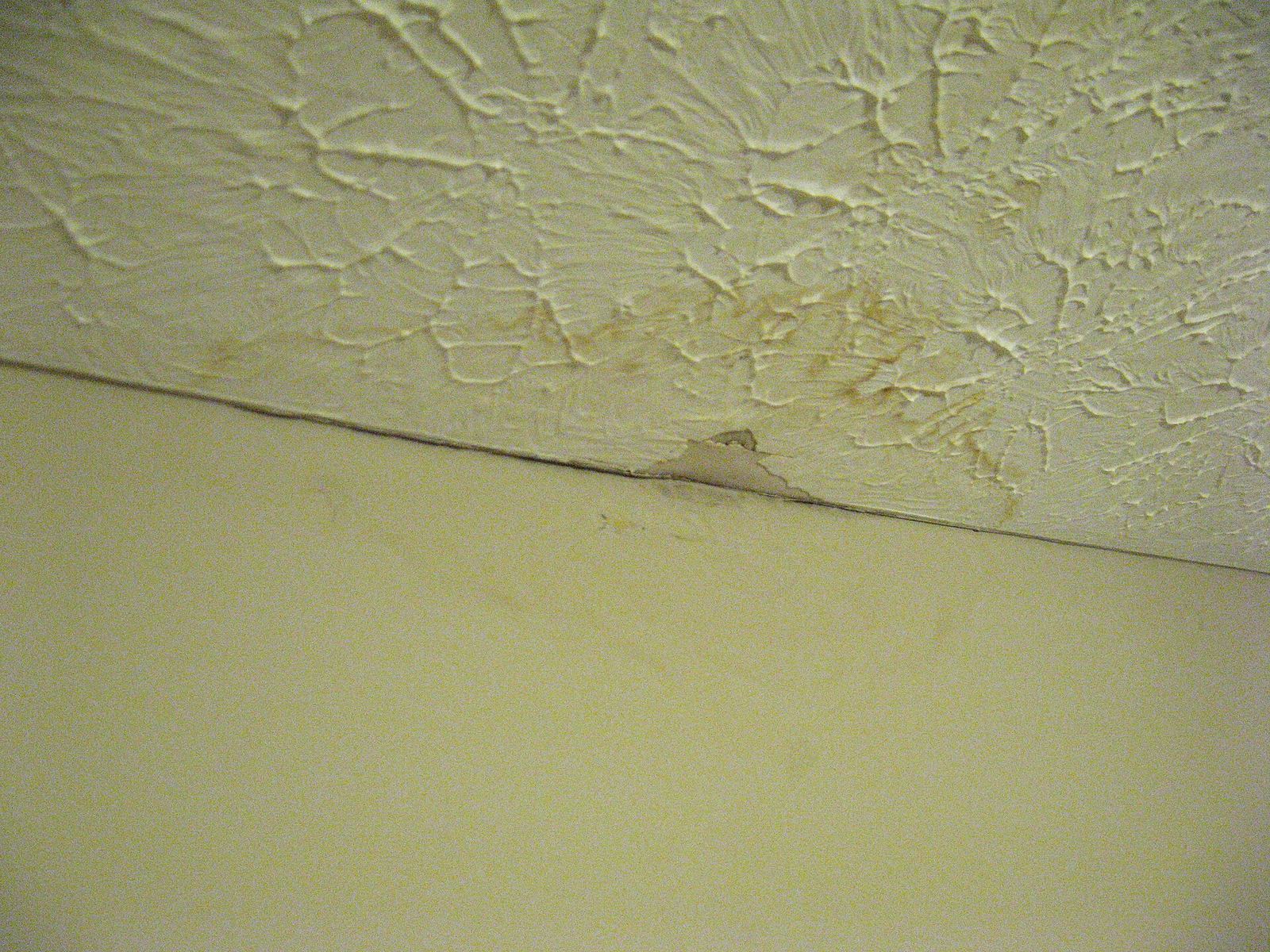
- Water leaking from the unit or its pipes. A drip, a puddle, or dampness spreading under the unit. Turn off power, close the water valves if you can reach them safely, and call now.
- An error code that will not clear. The code comes back after one reset, or a new code appears. Stop resetting and call.
- The unit lights, then shuts down again and again. It starts, dies, and tries again. That repeated shutdown is the unit protecting itself — do not force it.
- A gas smell near the unit. Leave the house, touch nothing electrical, and call your gas company or emergency services from outside.
- Loud banging, smoke, or scorch marks. Turn the unit off and call now. Do not open the casing.
- Hot water that vanishes mid-shower, every time. The unit cannot hold heat under normal use. It is a flow, sensor, or scale fault that has reached the point of failure.
- The unit is completely dead — no display, no lights, no sound. No power reaching the unit, or a control fault. Check the breaker once, then call.
Homeowners in Serrano and Waterford often report the same pair first: no hot water plus a code that will not clear, in units that are now old enough for an igniter or a sensor to give out without warning. In newer homes the first sign is more often a leak at a connection that was fine yesterday and is dripping today. Either way, the clock matters — a leak does not wait, and a unit that keeps shutting down should not be pushed to keep running.
What causes a tankless unit to fail suddenly?
Scale is the slow cause that looks sudden. Mineral scale builds up inside the heat exchanger over months and years, a thin layer at a time, until the water can no longer take heat through it. The unit works harder, runs hotter, and then one morning it overheats and shuts itself down. The failure feels sudden. The buildup was not. A unit that has never been flushed is the most likely to fail this way, and a tankless flushing and descaling visit is often the fix that restores heat — if the heat exchanger itself has not been damaged.
Ignition failure is the second sudden cause. A gas unit lights its burner many times a day, and the igniter wears a little with every spark. When it finally wears past the point of lighting reliably, the unit tries, fails, and shows an ignition code. The flame sensor can fail the same way: it cannot confirm the flame is lit, so the unit shuts the gas off for safety. Both are wear parts. Neither means the whole unit is finished, but both stop hot water completely when they go.
Flow and sensor faults are the third group. A flow sensor tells the unit how much water is moving through it, and the unit only heats when that flow is enough. A dirty inlet filter, a partly closed valve, or a sensor that reads low can each drop the unit below that threshold. The result is a unit that seems dead at a low-flow tap and fine at a full tap — or dead everywhere on a day when pressure is low. It is a fault, not a quirk, and it needs a test, not a workaround.
Leaks have their own sudden causes. A connection that has loosened with heat and time can start dripping overnight. A valve can wear through. A seal can age and give way. In an older unit, the heat exchanger itself can develop a leak, and that is the most serious finding an emergency visit can make. A leak at a joint is usually a straightforward repair. A leak from inside the casing needs a closer look, because it can mean the heart of the unit is damaged — and that is the point where repair and replacement are weighed honestly. Rinnai units fail in the same ways, and Rinnai tankless repair follows the same code-first diagnosis.
Safe DIY checks to do first — and what not to touch
These checks are safe for a homeowner, and they take minutes. Do them only if you can do so safely. Do not open the unit casing, do not touch gas connections, and do not work on wiring. If anything feels unsafe, skip it and call.
- Check power. Make sure the unit is plugged in or switched on, and check the breaker. A tripped breaker is a common cause of a dead unit.
- Check gas. For a gas unit, make sure the gas shut-off valve to the unit is open, and check whether other gas appliances in the home are working.
- Check water. Make sure the water shut-off valves to the unit are open, and that cold water flows normally at other taps.
- Read the display once. Write down any error code exactly as shown, and note whether it appears on every use or only sometimes.
- Try one tap, fully open. Open a single hot tap all the way. If the unit heats with one tap open but not with several, that tells the provider a great deal about flow and demand.
- Look for water — do not touch the inside. Look under the unit and at the pipes you can see. If you see water, put towels or a bucket under the drip, turn off power, close the valves if you can reach them safely, and call.
- Smell, then leave. If you smell gas, do not hunt for the source. Get out of the house, do not touch switches or appliances, and call your gas company or emergency services from outside.
If none of these checks restores hot water, you have still done something useful: you can now tell the provider what you checked, what the display says, and what the water does with one tap open. That is exactly where a diagnosis starts. Do not reset the unit again and again — one reset is enough, and repeated resets hide the pattern the technician needs to see.
If you smell gas, get out of the house, do not touch light switches or appliances, and call your gas company or emergency services from outside. Never try to find or fix a gas leak on your own.
The emergency visit, step by step
An emergency visit should feel clear from the moment the provider arrives, even when the morning has been stressful. Here is what usually happens, in order, so you know what to expect.
- Make it safe first. The provider checks for leaks and gas, and makes sure the unit is safe to test. If water is escaping, stopping it comes before any diagnosis.
- Listen first. What is the water doing, when did it start, and what have you already checked? Bring the error code and the brand and model if you have them.
- Check the supplies. Power, gas, and water are tested first, along with the shut-off valves and the inlet filter.
- Run the unit and watch. A tap is opened and the provider watches the unit light, listens for noise, and reads the display. Many causes show themselves in that one run.
- Test the parts, one at a time. Igniter, flame sensor, flow sensor, and gas valve are tested in turn, so the failed part is found, not guessed.
- Flush if scale is the cause. If scale is behind the shutdown, the unit is isolated and flushed with a descaling solution, then rinsed and tested again.
- Explain before fixing. Before any part is replaced, the provider should explain what is wrong, what the fix involves, and what to agree. Ask questions here — it is your home, and your decision.
- Repair, then test at every tap. The fix is done, hot water is tested at more than one tap, the temperature is checked, and every connection that was touched is checked again for leaks.
Emergency repair in larger El Dorado Hills homes
Many homes in El Dorado Hills, from Blackstone to the Promontory and Ridgeview, are larger than average, with several bathrooms and long pipe runs. That matters in an emergency, because a unit that is asked to heat water for a large home will show a flow or demand fault sooner — and a technician who tests only one tap can miss a fault that appears only when two taps run together. That is why a good emergency visit tests at more than one tap, and asks how the home is actually used in the morning and the evening.
Long pipe runs matter for leaks too. Water from a leak at the unit can travel along a pipe or a wall before it shows, so the first damp patch you see may not be where the leak started. Say where you found the water, and when you first noticed it. That helps the provider find the source instead of chasing the stain.
What affects the cost of an emergency repair?
We do not publish prices here, because the cost depends on the cause, and the cause is not known until the unit is checked. These are the factors a provider will weigh when they explain the cost to you, so you can follow the conversation and decide with clear information.
| Factor | What it means |
|---|---|
| The cause | A filter clean is different from a failed igniter, and both are different from a damaged heat exchanger. |
| Parts needed | Some parts are common and quick to fit. Others are specific to the brand and model, and may take longer to source. |
| Scale and flushing | A full flush and descaling takes time, and heavy scale may need a repeat flush to clear fully. |
| Unit age | Older units may have several worn parts at once, and the provider should say so before fixing only one. |
| Access | A unit in a tight closet, high on a wall, or outdoors takes longer to reach and test safely. |
| Leak damage found | A leak that has already damaged nearby surfaces may need drying and further work beyond the unit itself. |
When is it an emergency — and when can it wait?
Three situations should not wait. If you smell gas, leave the home, do not switch lights or appliances on or off, and call your gas company or emergency services from outside. If water is leaking from the unit or its pipes and you cannot stop it, turn off power to the unit, close the water valves if you can reach them safely, and call — water damage grows quickly, and a small drip can reach drywall and flooring in hours. If the unit is making a loud banging noise, smoking, or showing scorch marks, turn it off and call. In each case, do not open the casing and do not try to fix it yourself.
No hot water at all is also an emergency in the practical sense: a home without hot water cannot run showers, dishes, or laundry, and a unit that has stopped completely will not restart on its own. Call now rather than waiting for the morning, because a fault that stops the unit today is unlikely to clear by itself overnight. Lukewarm water, a single error code that clears with one reset, or a unit that works sometimes is frustrating, but it is not an emergency in the same way — it is still worth a call soon, before a small fault becomes a cold morning with no hot water at all.
Emergency tankless repair FAQs
My tankless unit has no hot water at all right now — what do I do first?+
First check power, gas and water to the unit, and look for an error code on the display. If you see water leaking, turn off power to the unit and close the water shut-off valves if you can reach them safely. Then call +1 (234) 567-8910 and say it is an emergency — no hot water, a leak, or a code that will not clear.
My tankless water heater is leaking — how urgent is it?+
Treat any visible leak as urgent. A small drip can grow, and water can reach drywall, flooring and cabinets quickly. Turn off power to the unit, close the water valves if you can reach them safely, put towels or a bucket under the drip, and call now. Do not open the unit casing.
I smell gas near my tankless unit — what do I do?+
Get out of the house right away. Do not touch light switches or appliances, and do not try to find or fix the leak yourself. Call your gas company or emergency services from outside, from a safe distance.
Should I keep resetting my tankless unit when it shows an error code?+
One reset is fine. If the same code comes back, stop resetting it and call. Repeated resets can hide the pattern a technician needs, and a unit that keeps shutting down for safety should be checked, not forced to run.
Can I still use hot water while I wait for an emergency visit?+
If the water is lukewarm and the unit is not leaking, making a loud banging noise, smoking, or giving off a gas smell, many homeowners keep using it carefully until the visit. If there is a leak, a gas smell, smoke or scorch marks, turn the unit off and call now.
Will an emergency visit fix my unit, or will I need a replacement?+
Most emergency calls end with a diagnosis and a repair — a worn igniter, a failed sensor, a blocked filter, scale, or a leak at a connection. Replacement is only discussed when the heat exchanger is damaged, parts are no longer available, or the same fault keeps coming back after repair. The diagnosis comes first, so the choice is based on what is actually wrong.
Related services and areas
If the water is lukewarm rather than gone completely, our no hot water repair in El Dorado Hills page covers the slower checks in detail. For the full picture, see the Pro Tankless El Dorado homepage, which covers all six services and every neighbourhood we serve. We help homeowners across El Dorado Hills, including Serrano, Blackstone, the Promontory, Waterford, and Ridgeview. To learn how the referral works, see our About page, or go to Contact to see what to have ready before you call.