Tankless Water Heater Repair in El Dorado Hills, CA
Cold shower this morning? Water leaking under the unit? Error code on the display and no heat at all? Do not wait it out. Call, tell us what the unit is doing, and we will connect you with a local provider who can check it.
Pro Tankless El Dorado is a referral service that connects callers with a local tankless water heater provider.
El Dorado Hills, CA
Emergency repair
No-hot-water help
Rinnai repair
Call first — no forms
Call now — tell us the symptomNo hot water, leak, or error code. Say it in your own words.
Diagnosis firstThe cause is found before any fix is agreed.
Hot water restoredShowers, dishes and laundry, working again.
A shower that stays cold is the most common sign a tankless unit has stopped heating.
The direct answer
No hot water in El Dorado Hills? Call now — most tankless faults can be fixed.
A tankless unit that stops heating is not always a dead unit. Often it is a worn igniter, a blocked filter, scale inside the heat exchanger, a failed flow sensor, or a leak at a connection. The fastest way forward is a short call: describe the water, and get a local provider connected to check it.
Tankless heaters work differently from tank heaters. They heat water only while a tap is open, so they rely on moving parts, sensors, a burner and a safe shut-down system. When one part fails, the unit often stops on purpose. That shut-down is a signal, not a mystery. An error code, a drip, lukewarm water or a cold shower all point in a different direction, and a technician reads those signals in order — power and fuel first, then filters, flow, ignition and scale.
Start with what the water is doing right now. If nothing gets hot anywhere, the problem is likely at the unit itself. If one shower is cold while the kitchen tap is warm, flow and pipe runs matter more. If the water starts hot and then fades, demand, temperature settings and scale are the first suspects. Say it plainly on the call. You do not need part names. Your neighbourhood helps too — whether you live in Serrano, Blackstone, the Promontory, Waterford or Ridgeview, the age and size of homes in your area shape what local providers see most.
That is why emergency tankless repair in El Dorado Hills is the first call for a unit that has stopped today, and why no hot water repair is a separate job with its own checks. If water is escaping, act first and read the leak guidance on the emergency page — shut off power, close the valves if you can reach them safely, and call. For a unit that heats weakly or noisily, tankless flushing and descaling is often the fix that restores heat. And if the unit is a Rinnai, Rinnai tankless repair covers its codes and parts in the same way.
Pro tip
Before you call, look at the unit if you can do so safely and note the brand and model, any code on the display, and whether the unit has power at all. Three facts, thirty seconds — and the call moves much faster.
El Dorado Hills is a hillside community east of Sacramento, near Folsom Lake and served by Highway 50, with gated villages and master-planned streets beside established homes. Morning showers, evening dishes, laundry and guests all ask a lot of one small wall-mounted unit. A larger home with long pipe runs and several bathrooms in use at once will show a weak unit sooner than a smaller home will. That does not mean the unit was wrong for the house. It means the repair has to fit the home, not just the heater — and that is also why a new tankless installation starts with sizing, and why tankless replacement is sometimes the honest answer when an old unit keeps breaking down.
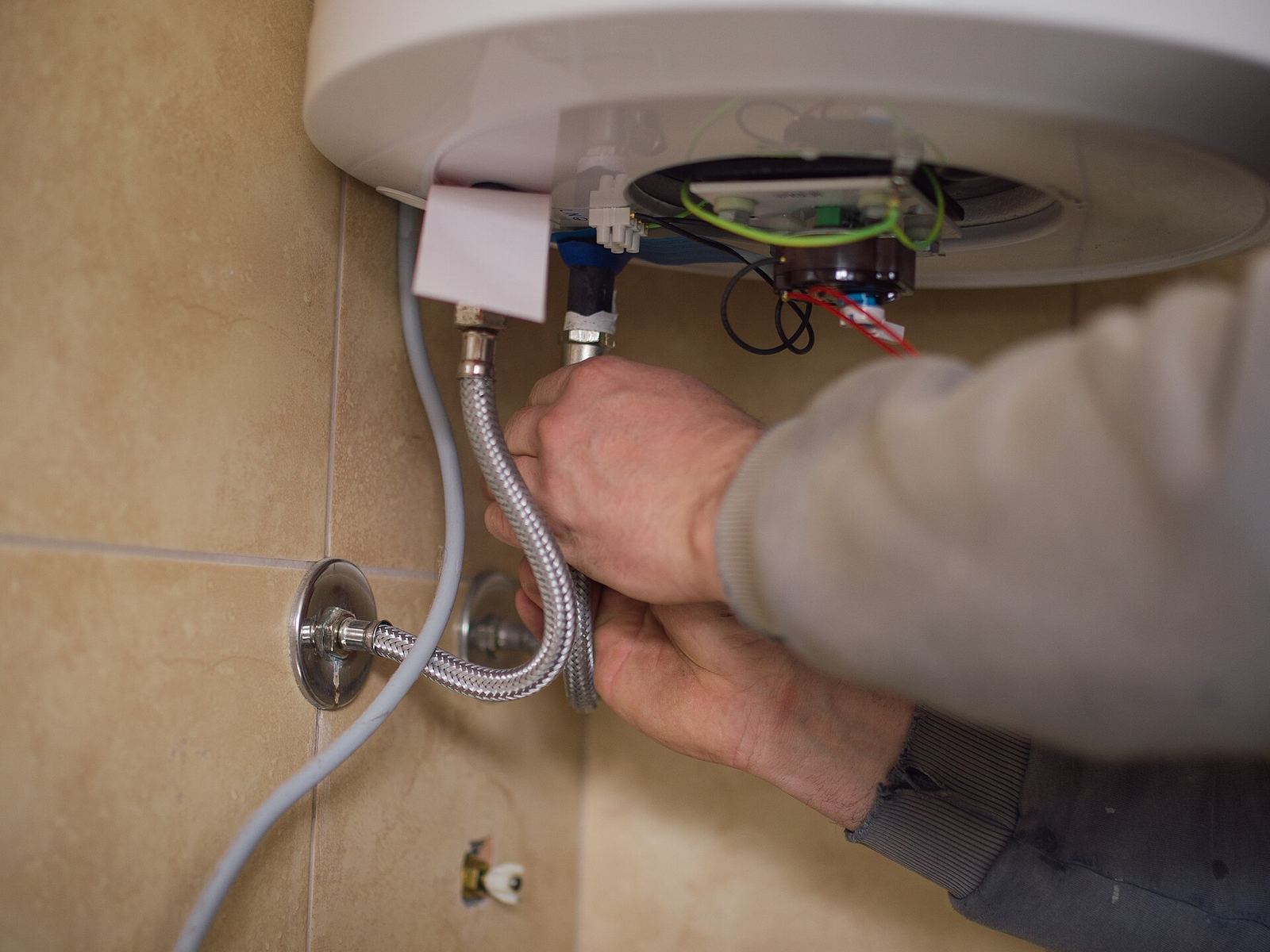
Hands-on repair: pipes, valves and connections beneath a water heater.
What we fix
Six tankless services. One call to start.
Emergency help first, then the jobs that keep a unit healthy: no-hot-water diagnosis, new installs, replacements, flushing and descaling, and Rinnai repair. Pick the card that matches your problem.
If you smell gas, get out of the house, do not touch light switches or appliances, and call your gas company or emergency services from outside. Never try to fix a gas leak on your own.
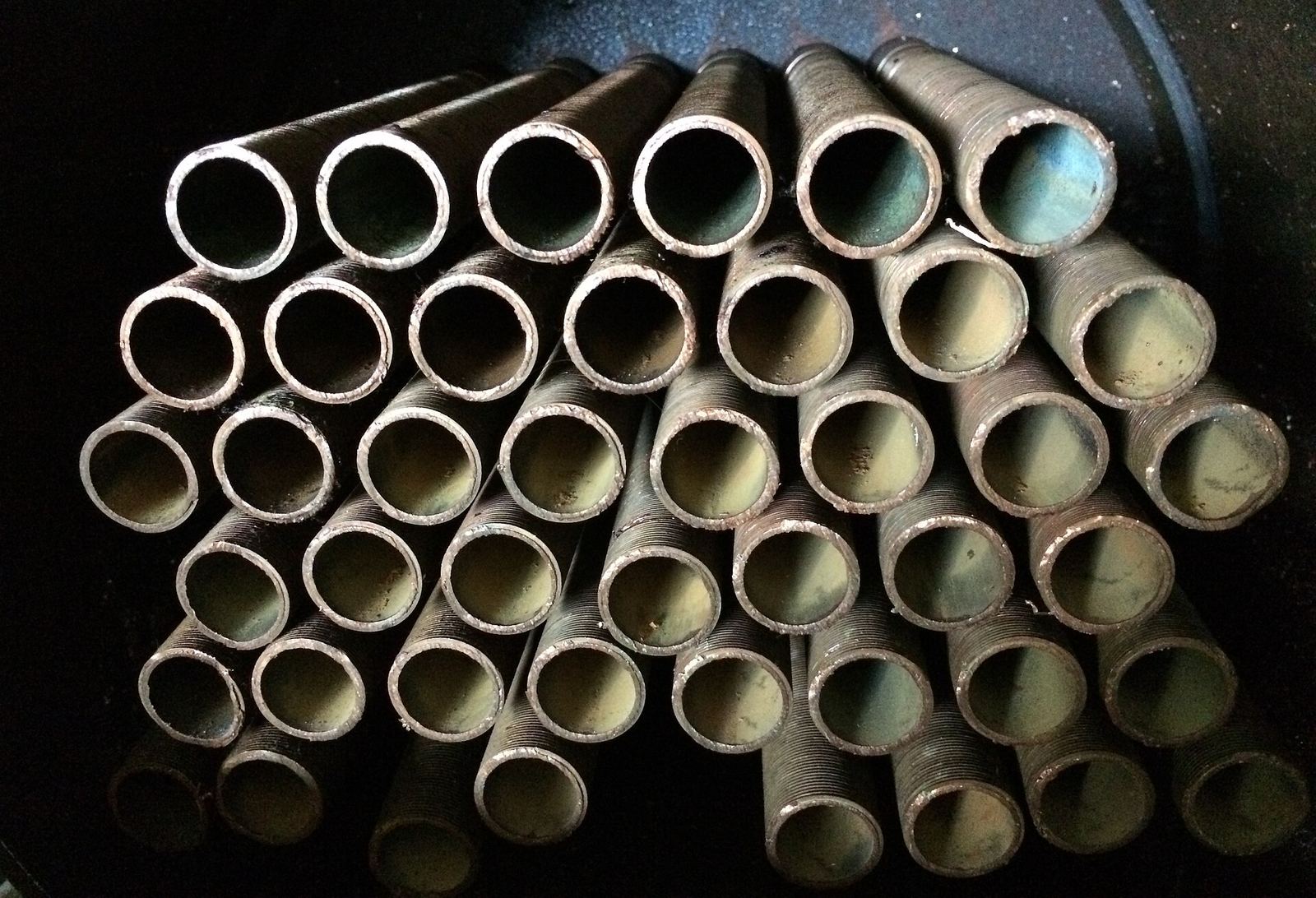
Inside a heat exchanger: the bundle of tubes the water runs through.
The in-depth guide
Why do tankless water heaters stop working?
A tankless unit has no tank to hide a problem in. When something goes wrong, you feel it at the tap straight away. Here is what is usually behind it, how a technician finds it, and what happens after the visit.
What causes a tankless unit to fail?
The most common cause is mineral scale. Water carries minerals, and when water is heated again and again inside a small heat exchanger, those minerals settle as scale on the inside walls. Scale acts like insulation: the unit has to work harder to heat the same water, it can grow noisy, and in time it can overheat and shut itself down. Units that have never been flushed show this first. A tankless flushing and descaling visit can often bring a sluggish unit back to normal heat and flow.
The second group of causes is ignition and gas supply. A gas unit needs gas, air and a spark at the right moment. A worn igniter, a gas valve that does not open fully, or a blocked vent can stop the burner lighting — or light it, then let it go out. The unit will usually show an error code when that happens. Electric units have their own version of the same story: a tripped breaker, a failed heating element, or a loose connection can stop heating altogether. Both types are checked in the same order: fuel and power first, then the parts that use them. That order is also why emergency tankless repair starts with questions, not parts.
The third group is water flow and sensing. A tankless unit only heats when it senses enough water moving through it. A dirty inlet filter, a partly closed valve, low water pressure, or a failed flow sensor can all make the unit think there is not enough demand to heat. That is why a shower can go cold when a tap opens elsewhere, and why a low-flow tap may not trigger the heater at all. It is also why a unit can seem fine in the kitchen and weak in the shower. Pipe runs, fixtures and flow rate all matter, and a technician will ask about them before touching the unit. No hot water repair is mostly this kind of detective work.
Leaks have their own causes. Connections loosen with heat and time. Valves wear. Seals age. In older units, the heat exchanger itself can develop a leak, and that is a more serious finding. A leak at a joint is often a straightforward repair. A leak from inside the casing needs a closer look, because it can mean the heart of the unit is damaged. That difference is why we ask where the water is coming from, and why a clear description — or a photo, if you can take one safely — helps so much.
How is the problem found?
A diagnosis starts with listening and looking. What does the water do, when did it start, and has anything changed in the home — a new fixture, a remodel, a long holiday with the unit off? Those questions narrow the search quickly. Then the technician checks the simple things first: power, gas, water supply, filters and the error code on the display. Only then do they test the parts inside the unit, one at a time, so the cause is found rather than guessed.
That order matters for you, too. Do not agree to a repair before you understand what is being fixed and why. A clear diagnosis names the failed part or the buildup that caused the fault. It also explains whether the fix is a clean, a part or a seal — and whether anything else is likely to follow soon. If a unit has several worn parts at once, a good technician will say so, rather than fixing one and leaving you to call again next month. If the unit is a Rinnai, the same order applies, and Rinnai tankless repair starts from the code on the display.
What happens after the visit?
After a repair, the unit is tested at more than one tap. The technician runs hot water, checks the temperature, listens for unusual noise, and looks again for leaks at every connection that was touched. That testing is part of the repair, not an extra. If the unit was flushed, the water should heat more evenly, and the unit should run more quietly than before.
You should leave the visit knowing three things: what was wrong, what was done, and what to watch for next. If the unit needs a flush again in future, or a filter needs regular cleaning, that should be explained in plain terms. If the unit is near the end of its life, that should be said honestly, with the reasons — not as pressure, but so you can plan. That is also the point at which tankless replacement is discussed, if it is the sensible choice, and at which a new tankless installation is sized for the home rather than copied from the old unit.
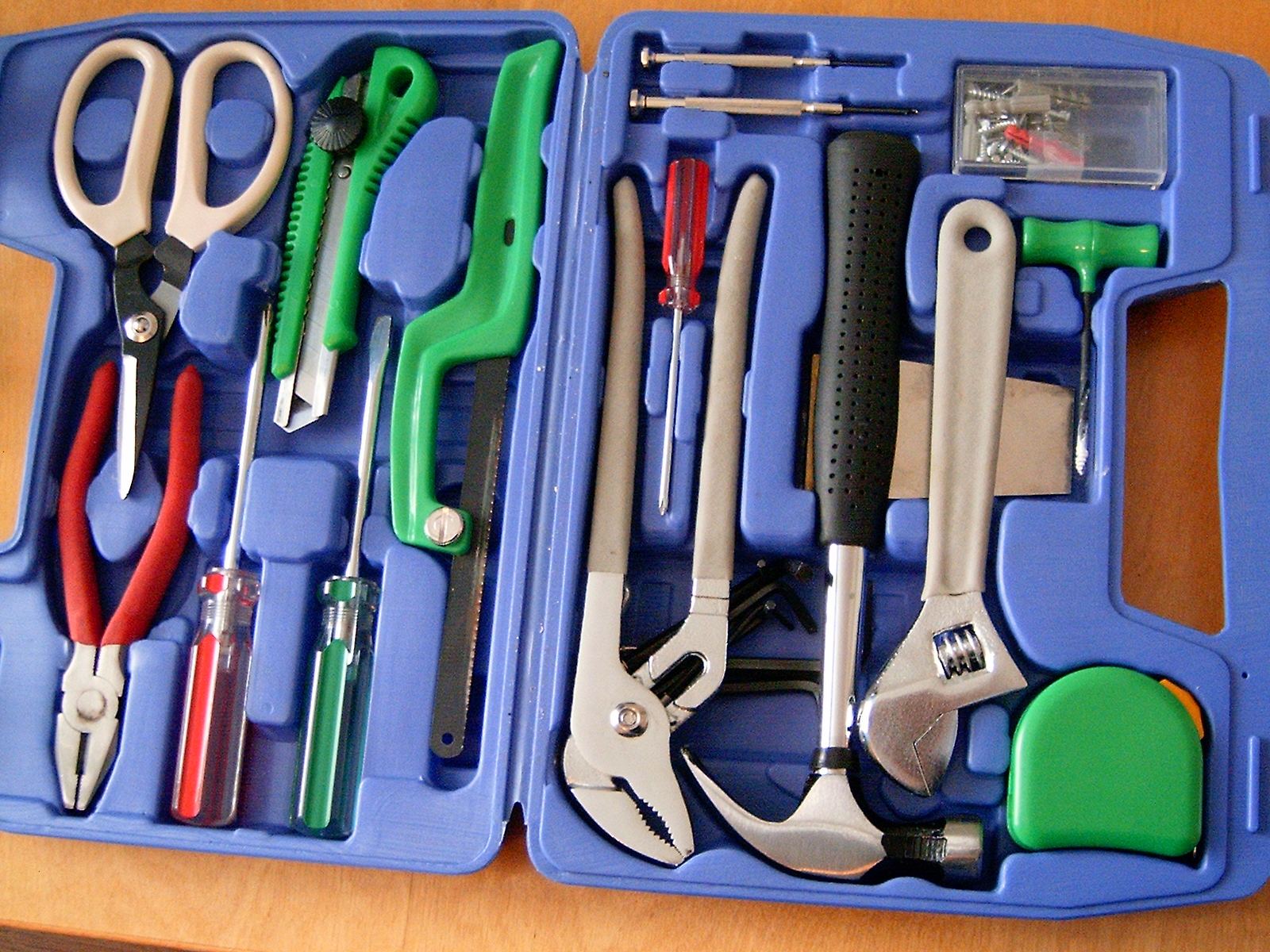
The tools of the trade — diagnosis comes before any repair.
How it works
From your call to hot water, in four steps.
No forms, no long hold. A short call, a clear diagnosis, and a fix you understand.
01
You call and describe it
Tell us what the water is doing, when it started, and your neighbourhood. That is enough to start. Call +1 (234) 567-8910 now.
02
We connect you locally
Pro Tankless El Dorado is a referral service that connects callers with a local tankless water heater provider. See About for how it works.
03
Diagnosis before repair
The provider checks power, gas, water, filters and error codes first, then names the cause before any fix is agreed.
04
Tested at every tap
Once the fix is done, hot water is run at several taps, and every connection touched is checked again for leaks before the visit ends.
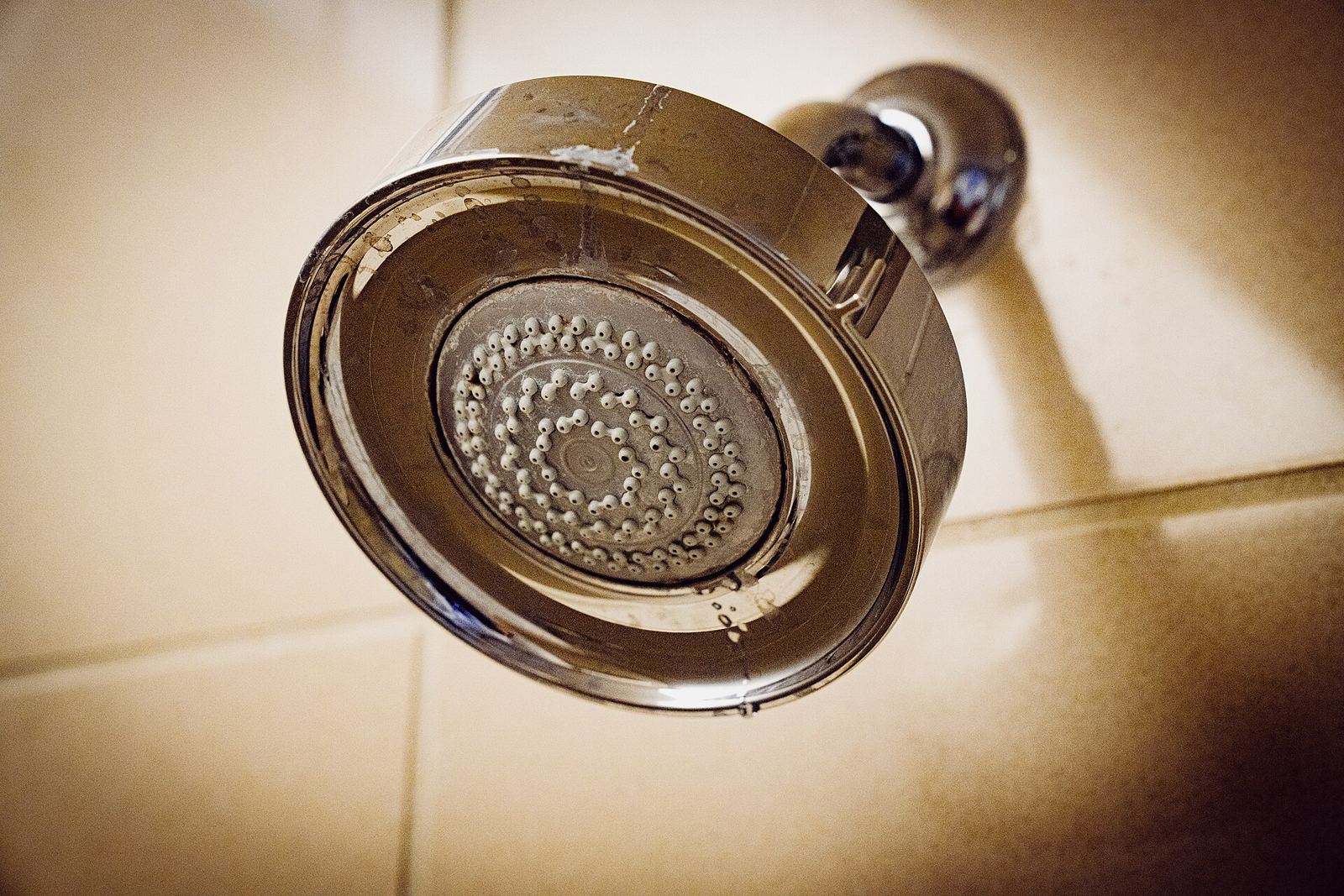
Limescale on a shower head: the visible end of scale building up inside the unit.
Costs of waiting
What happens if you wait?
Not every tankless fault gets worse quickly. The ones that do are usually the ones involving water or heat — so waiting has a cost.
A small leak rarely stays small. Water finds its way into drywall, flooring and cabinets, and a slow drip behind a unit can do quiet damage for weeks before anyone notices a stain. A leak fixed early is usually a connection or a valve. A leak left alone can mean damaged walls, damp that invites mould, and a repair that grows from one part to several. If you can see water, or you can smell damp near the unit, that is the time to call — that is what emergency tankless repair is for.
Scale is the slower version of the same story. A unit with scale buildup works harder every day. It heats less well, it uses more energy to do the same job, and it is more likely to overheat and shut down. Over time, scale can shorten the life of the heat exchanger — the most expensive part of the unit. A flush done in time is a service visit. A heat exchanger damaged by years of scale is a different conversation, and often the point where tankless replacement has to be discussed.
Ignition and sensor faults are less predictable. A unit that sometimes lights and sometimes does not will usually get worse, not better. Each failed start is a sign that a part is wearing out. Waiting until the unit stops altogether often means a cold morning with no hot water at all, and a repair that could have been planned becomes an urgent one. If your unit is showing a pattern — the same error, the same lukewarm shower, the same noise — call while you still have hot water most of the time.
What affects the cost of a repair?
Every repair is priced on what is actually wrong, so no price list here would be honest — the cause is only known once the unit is checked. Below are the factors a provider weighs when they talk through the cost with you.
Factor
What it means
Why it matters
The cause
A dirty filter or a reset is different from a failed igniter or a leaking heat exchanger.
The part and the time needed change with the cause.
Unit age and condition
Older units may have several worn parts, and some parts may be harder to find.
Age affects whether a repair or a replacement is the sensible choice.
Scale buildup
Heavy scale needs a full flush and descaling, sometimes with a repeat flush.
Flushing takes time and care to do properly.
Access and location
A unit in a tight closet, high on a wall, or outdoors needs more time to reach and test safely.
Access affects how long the visit takes.
Gas, venting, and water
Gas line, vent, or water supply problems may need checks beyond the unit itself.
These checks keep the repair safe, not just working.
Leak damage
A leak that has already damaged nearby surfaces may need drying and further work.
Early leaks cost less to put right than late ones.
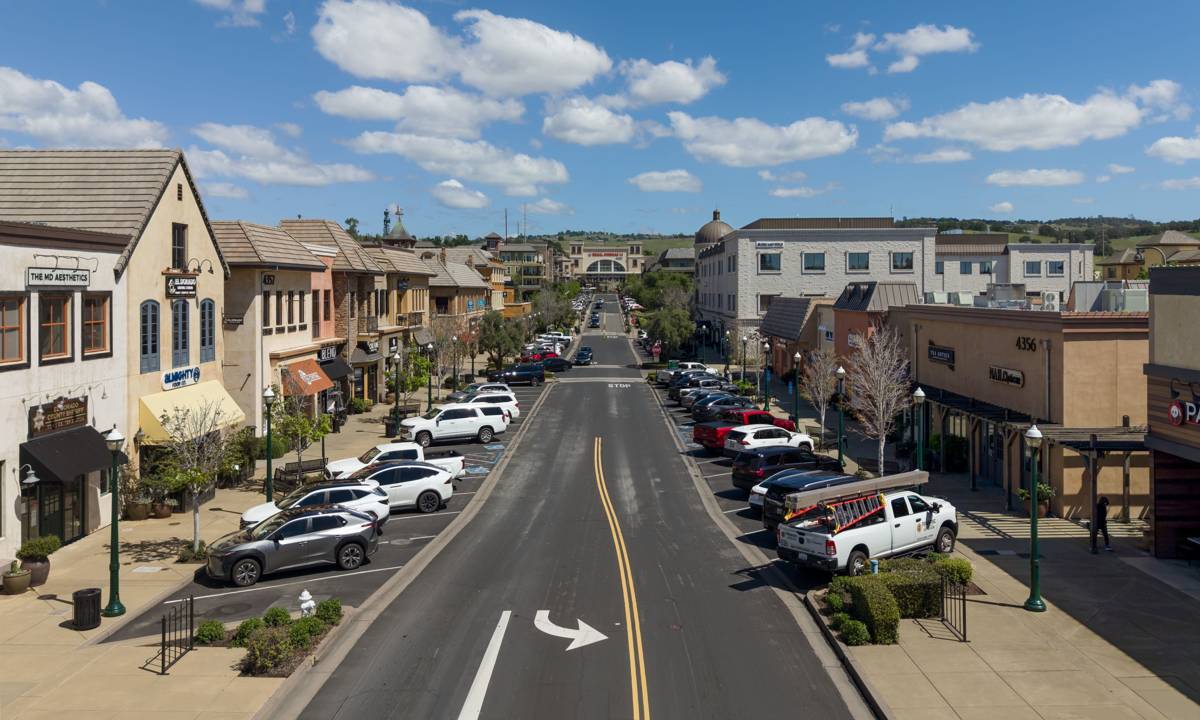
El Dorado Hills Town Center — tankless repair across the town's neighbourhoods.
Where we help
Tankless repair across El Dorado Hills — fast.
Homes here range from gated villages to newer master-planned streets to established neighbourhoods with older houses, and a tankless unit behaves differently in each kind of home. Here is what that means, area by area.
Serrano is the largest village in El Dorado Hills, with many larger and custom homes near the country club. Bigger homes mean more bathrooms and higher hot-water demand, so a failing unit is felt fast — no hot water at peak times, lukewarm showers, and units old enough to need descaling and ignition work.
Blackstone is a newer master-planned community near Town Center and Highway 50, with more than 1,400 homes. Newer tankless units here still need their first flushes and error-code checks, and sizing questions come up when families add bathrooms or fixtures.
The Promontory is hillside living close to Folsom Lake, with larger homes and gated sections. Longer pipe runs and high peak demand mean lukewarm water and cold-water sandwich problems show up here first — and a no-hot-water call here is urgent.
Waterford is an established neighbourhood at the north end, near Folsom Lake, with mature trees and older homes. Older tankless units here are the classic repair case — scale buildup, worn igniters, leaks at older connections, and units that have never been flushed.
Ridgeview sits central and high up, near Highway 50 and Town Center, and most of its homes are older and larger. That mix makes it a common spot for leak checks, gas and venting checks, and no-hot-water diagnosis in ageing units.
Not sure which area you are in? Just say your street or neighbourhood on the call. If you are just outside El Dorado Hills, in a nearby area such as Folsom or Cameron Park, tell us — the provider can say whether they cover you. Our Contact page has the address and the number to call.
How the referral works
A fast local call, not a call centre.
When you call, we connect you with a local tankless water heater provider in El Dorado Hills. We do not pretend to be the technician, and we do not claim licences, years in business, or awards for the provider — those are the provider's own credentials, and they should be shared by the provider, not by us.
What we do is simple: listen to what your unit is doing, pass that on clearly, and connect you with someone local who can diagnose and repair it. The provider then checks the unit, names the cause, and explains the fix before any work is agreed. You stay in control of the decision, and you can ask questions at every step. If you would like to know more, our About page explains it in full.
What to have ready before you call
Have the brand and model if you can see it, the error code if one is showing, what the water is doing — no hot water, lukewarm, leaking, or noisy — and when it started. Your neighbourhood in El Dorado Hills helps too, whether that is Serrano, Blackstone, the Promontory, Waterford or Ridgeview. That is all. You do not need to know the part name or the cause. That is the provider's job — call +1 (234) 567-8910.
Questions, answered
Tankless questions from El Dorado Hills homeowners — answered fast.
Short answers first, with enough detail to help you decide what to do next. If your question is not here, call and ask it.
My tankless unit stopped making hot water today — what do I do first?+
Check power, gas and water to the unit, look for an error code on the display, and note whether any tap gets warm water at all. Then call and describe exactly what you found. Do not keep resetting the unit if it shuts down again.
Is a leaking tankless water heater an emergency?+
Yes, treat any visible leak as urgent. Turn off power to the unit, close the water shut-off valves if you can reach them safely, put towels or a bucket under the drip, and call now. Do not open the unit casing yourself.
Why does my shower go cold in the middle, then hot again?+
That hot-cold-hot pattern, often called a cold-water sandwich, usually means flow dropped below the level the unit needs to stay firing, or a tap was opened and closed quickly. If it happens on every shower, the flow, the filter or the sensor needs checking.
What does a tankless error code tell the technician?+
The code shows where the unit stopped — ignition, gas supply, venting, water flow or overheating are the usual groups. Write the exact code down, note when it appears, and say it on the call. It shortens the diagnosis a lot.
How do I know if my tankless needs flushing and descaling?+
Signs include water that takes longer to heat, showers that fade when a second tap opens, new rumbling or whistling, and a unit that has never been flushed. Mineral scale builds up inside the heat exchanger and limits heat transfer, so a flush often restores flow and heat.
Can you repair a Rinnai tankless water heater?+
Yes. Rinnai repair covers error codes, ignition trouble, flow-sensor faults, leaks at connections and scale problems, described in general terms on the call. Tell us the Rinnai model and the code on the display if one is showing.
When should I replace a tankless unit instead of repairing it?+
Replacement is usually discussed when the heat exchanger is damaged, parts are no longer available, or the same fault keeps coming back after repair. A diagnosis comes first, so the choice is based on what is actually wrong, not on a guess.
What happens on a tankless installation visit?+
The provider checks sizing for the home, the gas line, venting and water connections, then fits the unit, tests it at more than one tap and checks for leaks. Tell us how many bathrooms the home has and whether a unit is being added for the first time.
What should I have ready before I call?+
Have the brand and model if you can see it, the error code if one is showing, what the water is doing — no hot water, lukewarm, leaking or noisy — when it started, and your neighbourhood in El Dorado Hills.
Do you cover Serrano, Blackstone, Promontory, Waterford and Ridgeview?+
Yes — Pro Tankless El Dorado covers El Dorado Hills, CA, including Serrano, Blackstone, the Promontory, Waterford and Ridgeview. Call, say your neighbourhood, and describe what your unit is doing.
Ready when you are
No hot water? Leaking unit? Call now.
Describe what your unit is doing on the call, and a local El Dorado Hills provider will be connected to check it.